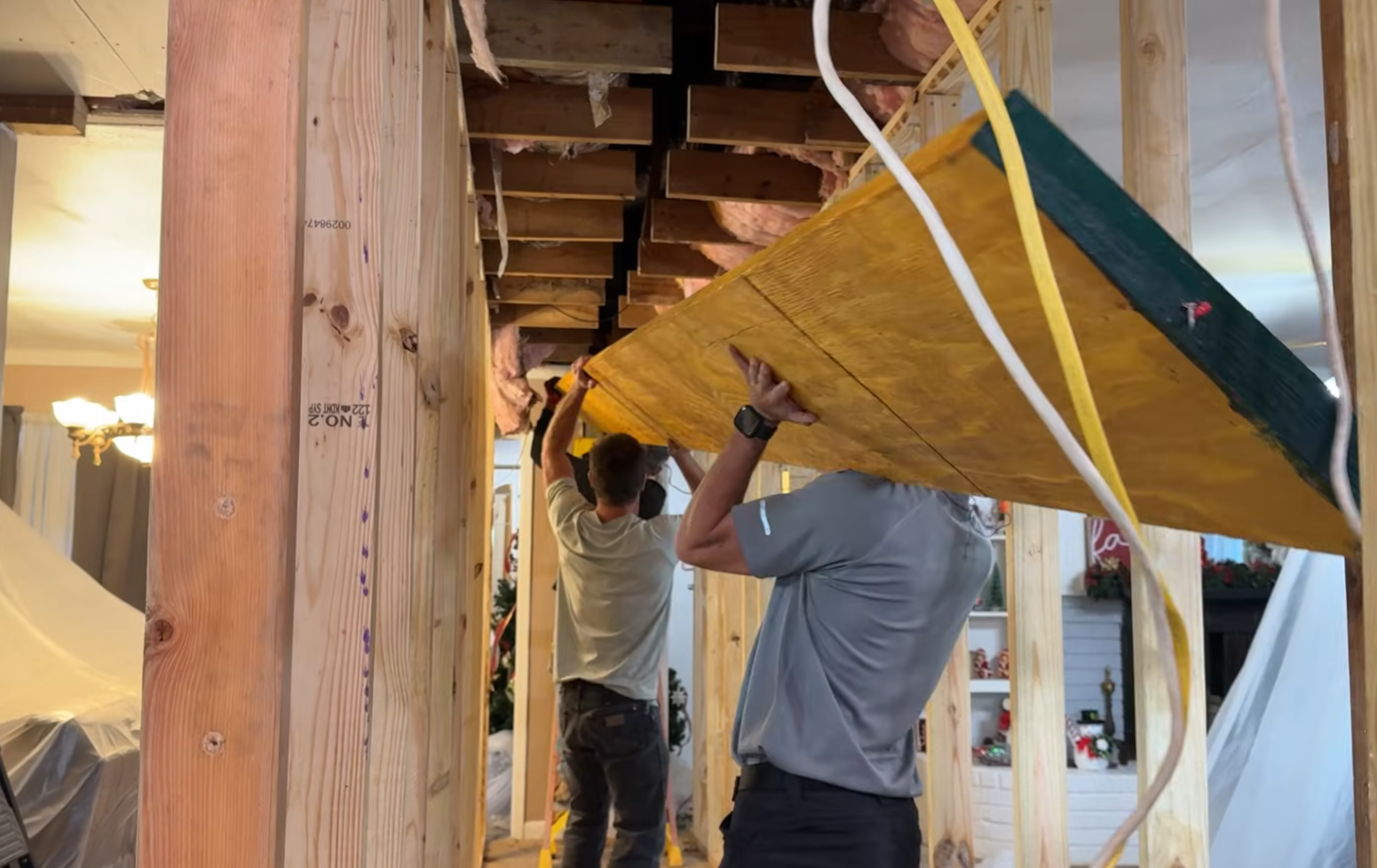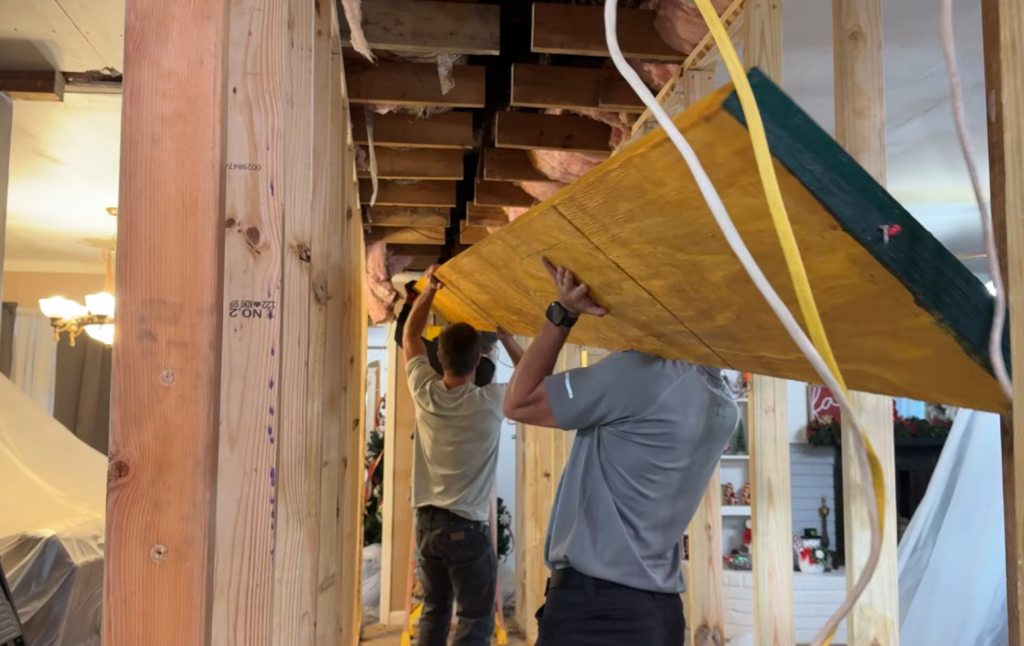
#MeWriting My favorite YouTube channels are about woodworking and construction. A few of my favorites in the genre are Bourbon Moth Woodworking, ENCurtis, Make Something, Shop Nation, 731 Woodworks, and Stud Pack. I’ve always been handy with tools and ambitious with hobbies. The ongoing appeal of these channels for me is the story telling. They are entertaining!
In November, 2021, inspired by YouTube channels Brad Angove and Texas Toast Guitars (TTG), I participated in a one-week guitar building workshop at TTG. I built and painted this:
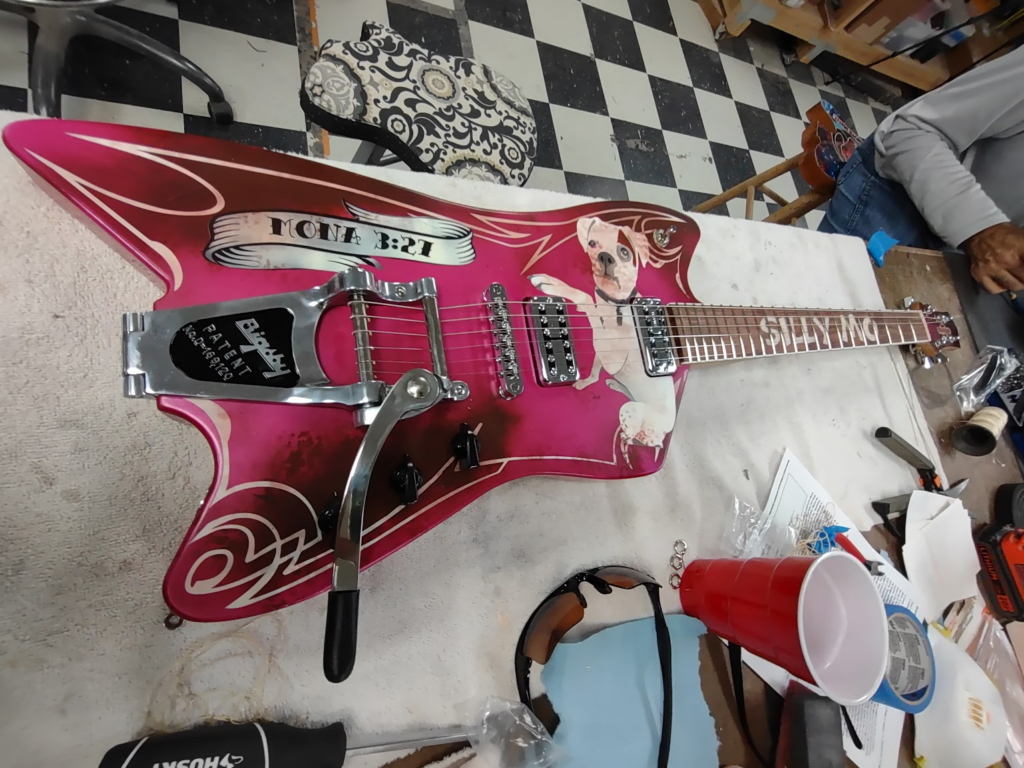
It took 3rd place in TTG’s prestigious Great American Guitar Build-Off in June, 2022.
The guitar below was built by Brad Angove. I refined his work with days of detailed neck sanding and a perfect set-up for playability.
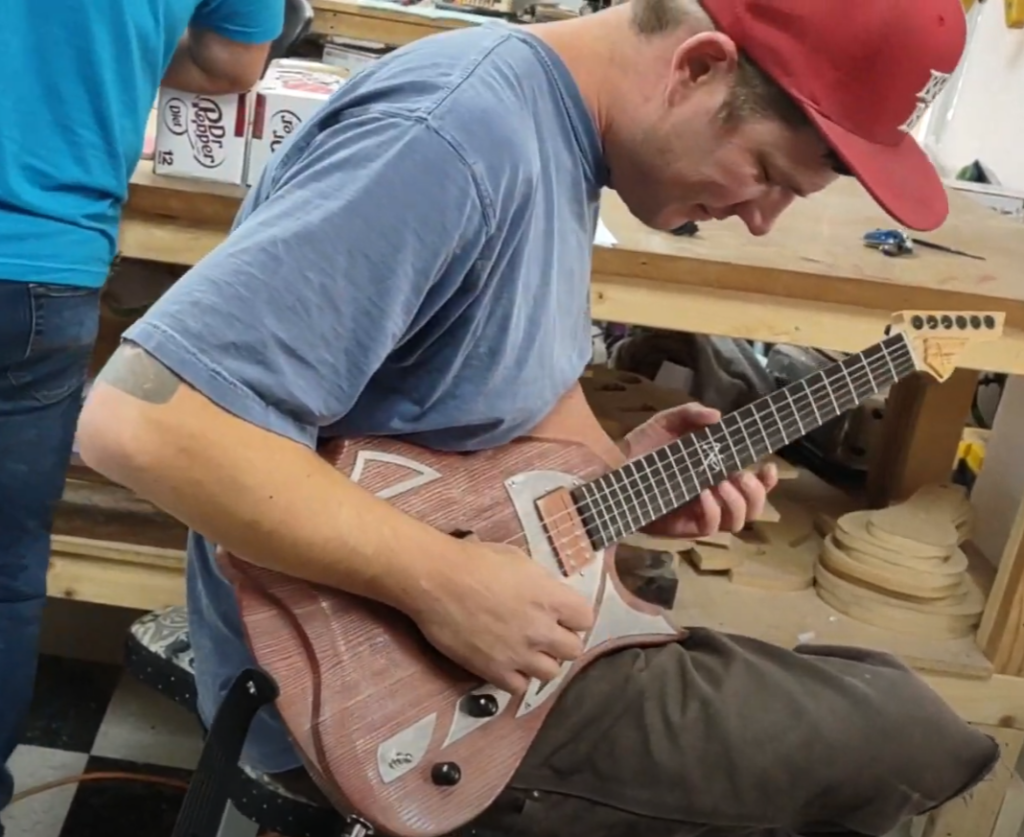
It took 4th place in the same contest.
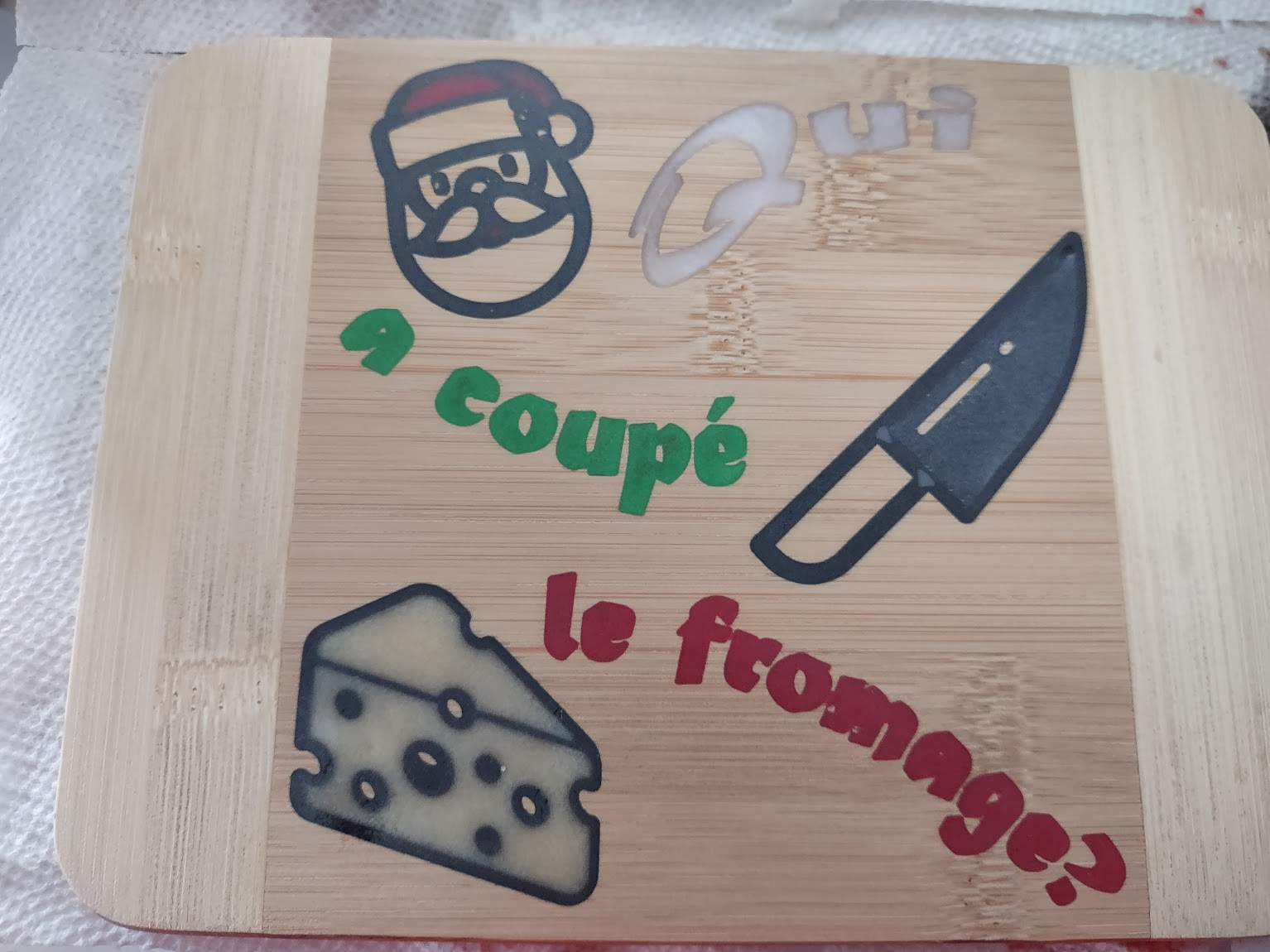
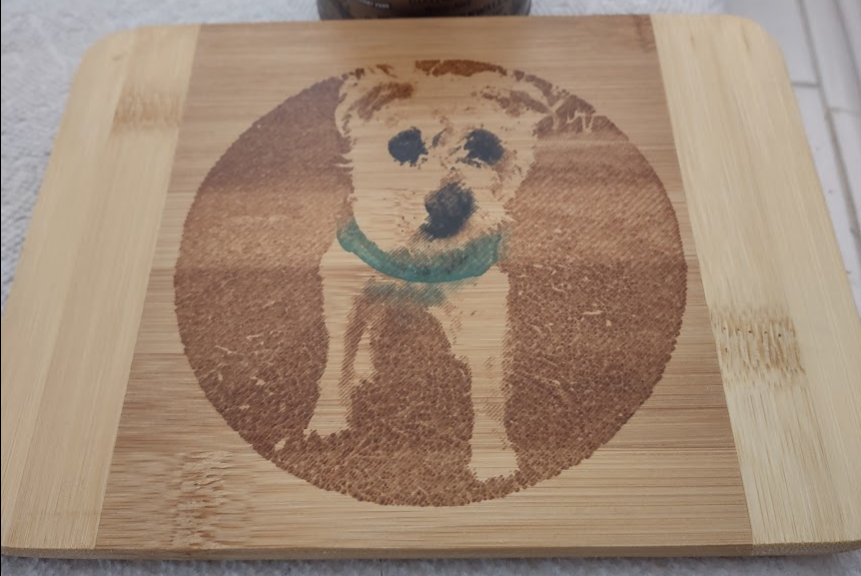
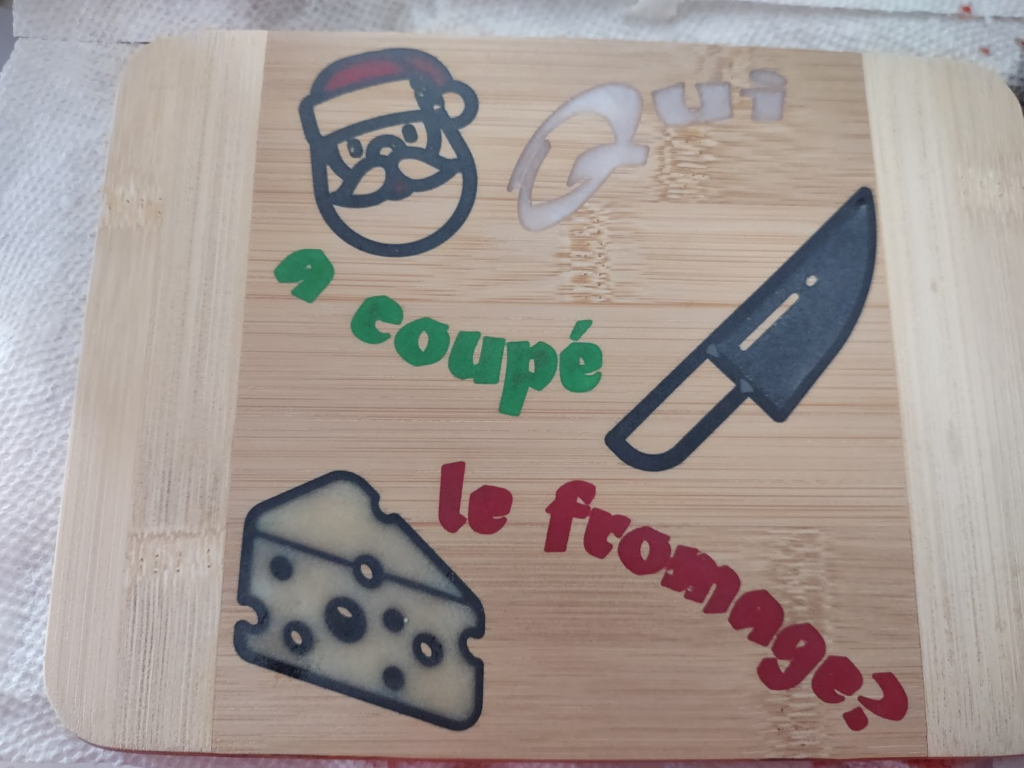
I’ve had an opportunity to build out a nice garage woodshop with a drill press, jointer, planer, benches, hand tools, and a commercial quality CNC. With those great tools, my pinnacle creations were small cutting boards with clever epoxy decoration. My guitar designs with CNC help never materialized enough.

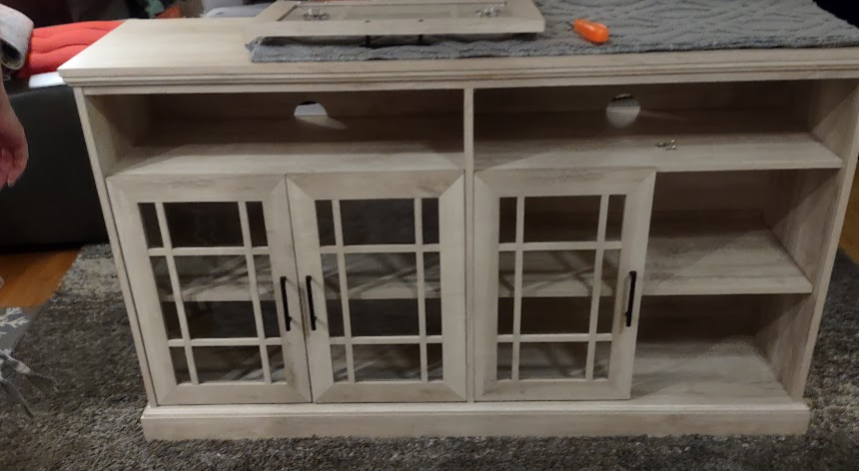
Another thing I’ve done in my now extensive adult lifetime is assemble a metric f@$% tonne (MFT) of IKEA and off-brand flat-pack furniture. In my 20s, it was affordable. In my 30s, it was functional. In my 40s, it was still everywhere.
I’ve been privileged to acquire (and eventually pass on) some nice real wood furniture constructed in classic styles with classic methods. I like nice things. I would love to get back into woodworking and making nice things with modern tools and methods. Classic furniture is nice things. Flat-pack, not so nice.
Side note on flat pack: If you want to make fun of my version of obsessive compulsive disorder (OCD), show me your badly assembled flat-pack furniture. It hurts my heart that (a) you did that, and (b) you tolerate it. And yeah, I feel compelled to fix your mess. It will cost you a burger and a Dr. Pepper.
Plot twist! This article isn’t about classically constructed furniture versus flat-pack furniture. It’s about software engineering versus vibe coding. Software engineering is about creating classic software from required, durable raw materials. Vibe coding is about assembling software from pieces that have already been written and gathered by a large language model (LLM) in the cloud.
A competent, accomplished software engineer can itemize reasons to be cautious with vibe coding. A vibe coder can claim he’s doing software engineering for 1/10 the cost. Managers and marketers equating these two activities are not serious about software.
Speaking of clowns… Dario Amodei, CEO of Anthropic, stated for third or fourth time at Davos this week that AI would be better than all humans at coding in the next 6 to 12 months. Here’s a link. I’m not embedding the video or finding the exact clip because it’s just dumb. If there is ever a Nuremberg style trial for what these clowns have done to our industry, I will gladly bring a (an?) MFT of rope. Smdh.
I’m not trying to start a war. I brought the fine woodworking vs. flat-pack metaphor into the discussion as an analogue to software development versus assembly to propose a framework for peace.
Vibe coders aren’t writing software that requires five decades of academic research and a similar length of time of commercial practice — with gross missteps along the way — to work reliably. They’re assembling software that might not have to work well. I’ve previously described this as “building prototypes”. I am 100% supportive of that activity and any methods to do it so long as people are willing to call them prototypes and throw them away when real systems need to be built!
We can have a world where there is software built by traditional, time tested methods — and where there is flat-pack vibe code built by AI, allegedly under human guidance. The peace deal is that you, the manager or customer, pick the one you want and choose practitioners who want to make it for you. Traditional software engineers don’t want to assemble flat-pack. Vibe coders can’t write real software. That’s just how things are.
Can’t we all just get along?
I floated a draft of this to my small collection of reliable critics. One response came back quickly: “Tech people don’t want to read your boring woodworking metaphor or hear about what you do when you’re not coding.” Exactly. Thank you for validating my premise!
I would appreciate your reactions and comments on my LinkedIn repost.